
Description
Product Description
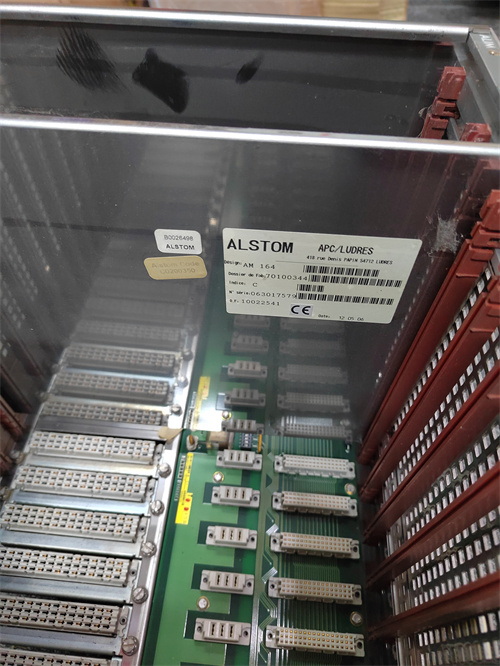
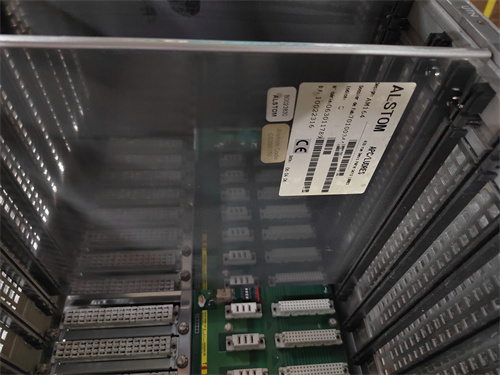
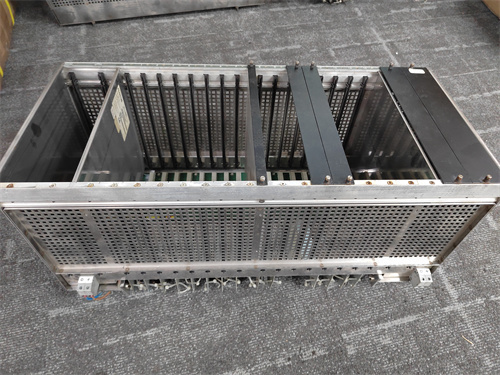
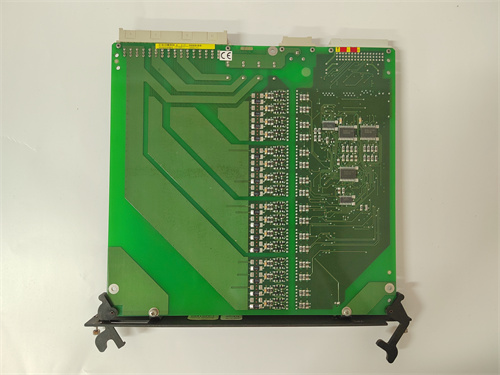
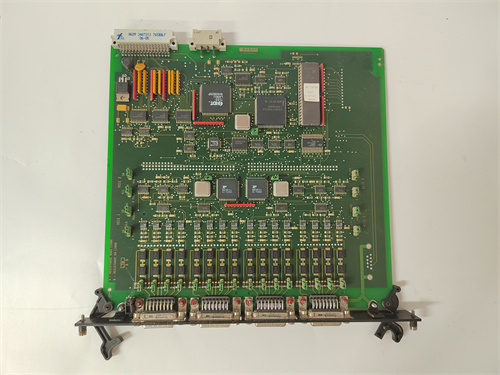
The ALSTOM AM164 is a core digital input module from the Alstom (now part of GE Vernova) Alspa series of programmable logic controllers (PLCs), designed for reliable and high-density discrete signal acquisition in industrial automation. This module serves as the primary interface for reading binary (on/off) status from a wide array of field devices such as pushbuttons, limit switches, proximity sensors, and relay contacts. By converting 24V DC field signals into digital logic levels, the ALSTOM AM164 provides the essential data the PLC CPU needs to execute control programs, interlocking logic, and sequencing functions. .
Product Parameters
-
Model: ALSTOM AM164.
-
Function: 24V DC Digital Input Module.
-
Input Type: Typically configured for sinking (NPN) or sourcing (PNP) inputs, determined by the common connection wiring.
-
Number of Channels: Standard configuration is 16 isolated input channels.
-
Input Voltage: Nominal 24V DC, with a standard operational range (e.g., 10-30V DC).
-
Input Current: Typical current draw per active channel (e.g., 7-10 mA).
-
Isolation: Channel-to-channel isolation and isolation from the PLC backplane to prevent noise interference and ground loops.
-
Response Time: Fast input filtering, suitable for standard industrial sensing applications.
-
Connection: Front-connected via a removable screw terminal block for easy wiring.
-
Diagnostic Indicators: Individual LED for each input channel to provide instant visual status.
-
Compatibility: Designed for specific Alspa PLC racks, such as the S20 or S40 series, requiring a compatible baseplate.
Advantages and Features
-
High Reliability and Simplicity: A proven, no-frills design focused on doing one job well, leading to excellent long-term reliability and ease of maintenance.
-
Excellent Noise Immunity: Built-in filtering and isolation provide strong resistance to electrical noise from motors, drives, and contact arcing, preventing false triggering.
-
Clear Visual Diagnostics: Per-channel LEDs allow for immediate visual confirmation of sensor status, drastically simplifying commissioning, operation, and troubleshooting.
-
Ease of Installation and Replacement: The modular design with front-accessible terminals enables quick installation and module swap-out without disturbing adjacent modules or internal backplane wiring.
-
Cost-Effective I/O Expansion: Offers a high density of input points at a competitive cost, making it an economical choice for applications requiring many discrete sensors.
Application Cases in Relevant Fields
-
Manufacturing and Assembly Line Control: The ALSTOM AM164 is widely used to monitor sensors on automated lines, such as part presence detectors, robotic arm position limits, and conveyor belt end-stops.
-
Material Handling and Packaging: Interfaces with photoelectric sensors, barcode readers, and pneumatic valve feedback sensors in sorting, palletizing, and packaging machinery.
-
Industrial Plant Monitoring: Reads status signals from motor starters (running/overload), pump seals, tank level switches, and pressure switches for plant-wide monitoring and control.
-
Building Automation: Used to monitor the state of security doors, fire alarm contacts, and HVAC equipment status in facility management systems.
Comparisons with Competing Products
Compared to similar digital input modules from other major PLC manufacturers like Siemens (SM321) or Schneider Electric (Modicon TM3), the ALSTOM AM164 is a solid, system-specific component.
-
Optimized for Alspa Ecosystem: It guarantees perfect mechanical fit, electrical compatibility, and seamless configuration within the Alspa programming environment. This integration reduces engineering time and eliminates compatibility concerns.
-
Established Base and Support: For facilities with an existing investment in Alspa PLCs, the ALSTOM AM164 is the logical and supported choice for expansion or replacement, leveraging existing spare parts and technician knowledge.
-
Potential for Lower Total Cost in Legacy Systems: In maintaining or extending an Alspa system, using the native ALSTOM AM164 module avoids the cost and complexity of integrating a different brand’s I/O, which would require additional gateways and engineering. For guaranteed performance within an Alspa system, the authentic ALSTOM AM164 is the necessary component.
Selection Suggestions and Precautions
-
Verify Sourcing vs. Sinking Configuration: Determine the output type of your field devices. The ALSTOM AM164 must be wired accordingly—common to +24V for sinking (NPN) devices, or common to 0V for sourcing (PNP) devices.
-
Confirm Rack and Baseplate Compatibility: Ensure the ALSTOM AM164 is compatible with your specific Alspa PLC rack model (e.g., S20, S40) and that you have the correct baseplate or adapter.
-
Calculate the Total Sensor Load: Verify that the 24V DC power supply used for the field devices can provide enough current to simultaneously power all sensors connected to the ALSTOM AM164 and other modules.
-
Source from Authorized Automation Suppliers: Purchase from authorized GE Vernova/Alstom distributors or reputable industrial electronic suppliers to avoid counterfeit modules, which often have inferior components and poor noise immunity.
-
Implement Good Field Wiring Practices: Use the correct wire gauge. For long runs or noisy environments, consider using shielded cable, grounding the shield at the cabinet end only. Ensure terminals are tightened to the specified torque.
-
Utilize LEDs for Commissioning and Diagnostics: Actively use the per-channel LEDs during startup to verify each sensor operates correctly. They are the first and most effective tool for identifying wiring errors, failed sensors, or faulty field devices.
20-COMM-D AB DCS
1770-KF2 AB
1783-BMS10CGA AB PLC
2711-K10C20L1 AB DCS
1771-IMD AB CPU

Reviews
There are no reviews yet.