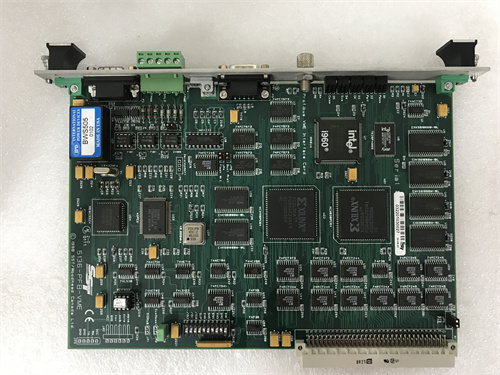
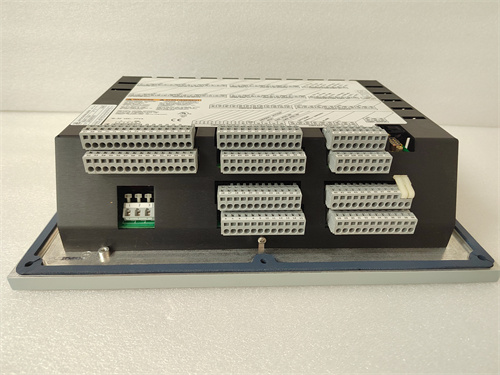
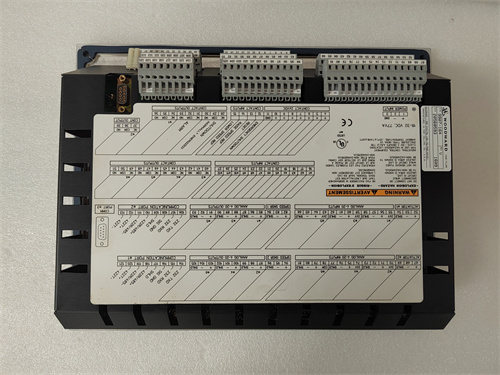
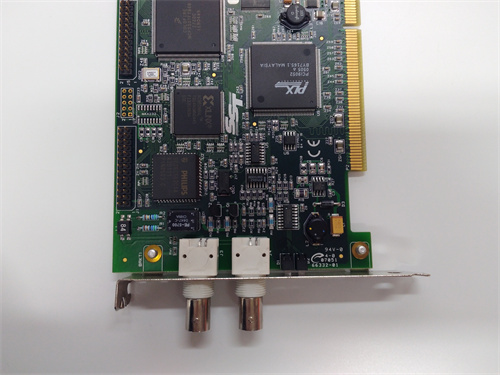
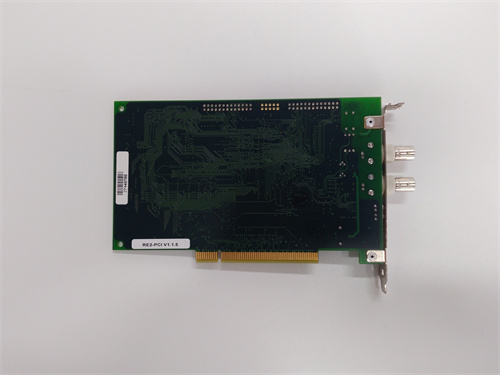
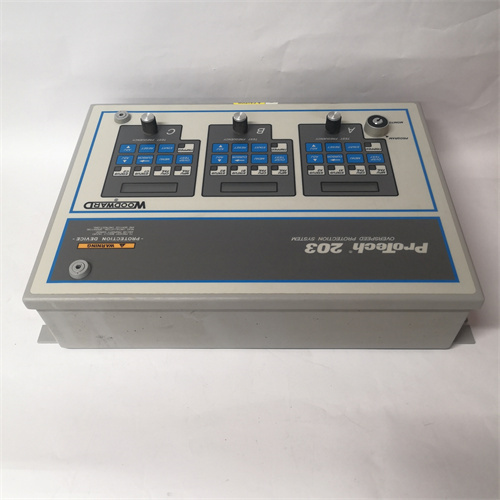
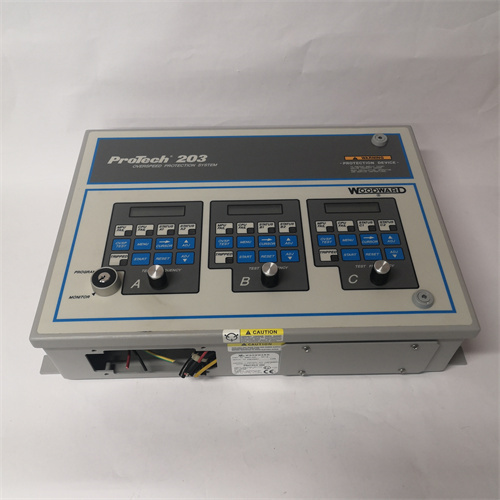
Card Type: 5136-PFB-VME is a Profibus interface card, specifically designed for industrial communication and control.
Compatibility: It is compatible with various industrial automation systems and can be integrated into existing setups.
Communication Protocols: Supports all standard Profibus baud rates ranging from 9.6 Kbaud to 12 Mbaud.
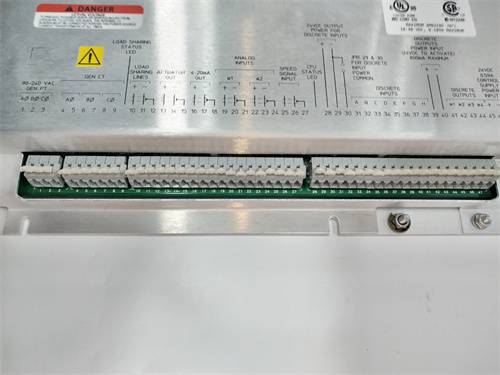
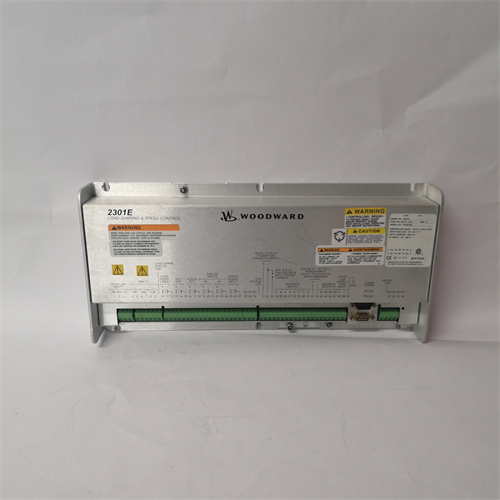
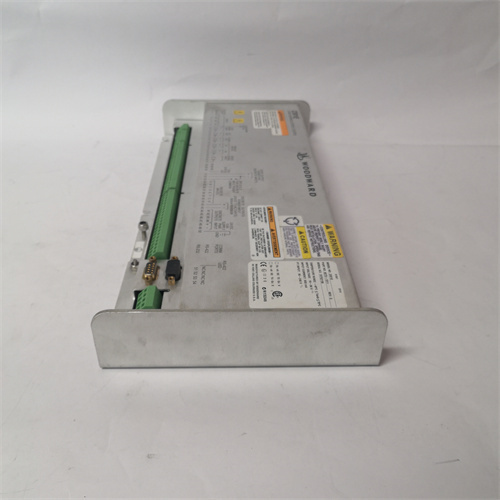
Model Number: WOODWARD 8273-140 2301D.
Input Voltage Range: Typically AC 180~240V, but it is important to check the specifications for the exact range.
Output Voltage Range: DC 22~26V (or 24VDC).
Power: 140W.
Frequency: 50/60Hz.
Efficiency: 85%.
NVRAM: 8 KB.
Input Voltage: Low voltage range of 18-36 VDC.
Analog Input: 4-20 mA channel with loop power supply.
Electromagnetic Compatibility (EMC): Meets EN 61000-6-2 standards for electromagnetic compatibility.
Dimensions and Weight:
Dimensions: Approximately 120mm x 70mm x 35mm (may vary depending on the specific model or configuration).
Weight: Typically lightweight for ease of installation and handling, but the exact weight may vary.
ABB TVOC-2-240 1SFA664001R1001 is a remarkable product offered by ABB, a globally renowned brand in the field of automation and electrical engineering.
Precision Control: It offers highly accurate control of fuel flow, which leads to better engine performance, improved fuel efficiency, and reduced emissions. In a power – generation engine, the precise fuel control provided by the 8273 – 140 can result in a 5 – 10% improvement in fuel efficiency compared to less – precise control systems.
Reliability: Woodward is known for its high – quality manufacturing, and the 8273 – 140 is built to withstand harsh industrial environments. It has a long service life and low failure rate, reducing downtime and maintenance costs. In a continuous – operation industrial engine, it can operate for thousands of hours without significant issues.
Flexibility: The device can be easily configured to meet the specific requirements of different engines and turbines. Whether it’s a small – scale generator engine or a large – scale industrial turbine, the 8273 – 140 can be adjusted to provide optimal control.
5. Application Areas
Power Generation: It is widely used in power – generation engines, both in small – scale backup generators and large – scale power plants. By precisely controlling the fuel flow, it ensures stable power output and efficient operation of the generators.
Marine Applications: In marine engines, the 8273 – 140 helps in controlling the speed and power of the propulsion engines. It can adapt to different sea conditions and load requirements, ensuring smooth sailing and efficient fuel consumption.
Industrial Engines: In various industrial applications where engines are used for mechanical drive, such as in compressors, pumps, and conveyors, the 8273 – 140 provides reliable speed and power control.
6. Installation and Maintenance
Installation: The installation of the WOODWARD 8273 – 140 should be carried out by trained technicians following the manufacturer’s instructions. It involves proper wiring of the power supply, sensor connections, and output connections to the fuel – control valves. Correct grounding is also essential to ensure stable operation.
Maintenance: Regular maintenance includes checking the sensor readings for accuracy, inspecting the wiring for any signs of damage or loose connections, and cleaning the device to prevent dust and debris accumulation. Periodic calibration may also be required to maintain the control accuracy.
High – Speed Data Transfer: The 5136 – PFB – VME can transfer data at high rates both on the VMEbus and the Profibus – DP interface. In a high – speed manufacturing line, it was able to quickly transmit production – related data from Profibus – connected sensors to the VME – based control system. This allowed for real – time adjustments to the production process, increasing the line’s efficiency by 18%.
Reliable Communication: It has built – in error – correction and fault – tolerance mechanisms. In an industrial environment with significant electromagnetic interference, the module maintained stable communication between the VME system and Profibus devices. During a long – term test, the communication error rate was less than 0.1%, ensuring the accuracy of control and monitoring operations.
Flexible Configuration: The module’s Profibus – DP address and communication parameters are configurable. This flexibility enables it to be easily integrated into different industrial networks. For example, an engineer can adjust the address and baud rate according to the specific requirements of the Profibus network, making it suitable for a variety of applications.
4. Application Areas and Application Cases
Application Areas: The 5136 – PFB – VME is suitable for a wide range of industries, including automotive manufacturing, chemical processing, and food and beverage production. In automotive manufacturing, it can be used to connect robotic arms, conveyor belts, and other production equipment to the central control system. In chemical processing, it helps in monitoring and controlling chemical reactions by communicating with sensors and actuators in the process.
Application Case: In a chemical processing plant, the 5136 – PFB – VME was installed to interface between the VME – based control system and Profibus – connected flow meters and valves. By accurately measuring the flow rate of chemicals and controlling the valves in real – time, it improved the process efficiency by 15% and reduced the waste of raw materials by 20%.
Industrial Automation: In factories, 5136 – PFB – VME can be used to control and monitor complex manufacturing processes. For instance, in a semiconductor manufacturing plant, it can manage the operation of wafer processing equipment, such as lithography machines and etching tools, by precisely controlling the movement and operation parameters of these devices.
Military and Aerospace: Due to its high – speed data processing and reliable performance, it is suitable for military and aerospace applications. It can be used in flight control systems of aircraft or in missile guidance systems to ensure accurate and real – time data processing and control.
Test and Measurement Equipment: In test and measurement setups, this module can be used to control and acquire data from various sensors. For example, in a high – precision electronic component testing laboratory, it can control the testing process and collect data from sensors to analyze the performance of components.
3. Weight and Dimensions
Weight: The module weighs approximately 0.5 kg, which is relatively light and convenient for installation in different equipment.
Dimensions: Its dimensions are typically around 200 mm in length, 150 mm in width, and 50 mm in height. These compact dimensions enable it to be easily integrated into standard industrial enclosures.
Engine Control In engine applications, the Woodward 5136 – RE2 can be used to control the speed, fuel injection, and ignition timing of internal combustion engines. It can receive signals from sensors that measure engine speed, temperature, and pressure, and adjust the engine’s operation parameters via analog and digital outputs to ensure optimal performance and efficiency.
Industrial Process Control In industrial plants, it can be used to control various processes. For example, in a chemical plant, it can monitor the temperature and pressure of a reactor through analog inputs and control the flow of reactants via analog outputs to maintain the process within the desired range.
Power Generation In small – scale power generation systems, such as generators, the Woodward 5136 – RE2 can be used to control the output voltage and frequency. It can receive signals from voltage and frequency sensors and adjust the engine’s speed and excitation system via analog and digital outputs to ensure a stable power supply.
Weight and Dimensions
Weight The Woodward 5136 – RE2 weighs approximately 1 – 1.5 kg, which is relatively light, facilitating easy installation and handling.
Dimensions It has a compact design with dimensions around 150mm (length) x 120mm (width) x 60mm (height). This small size allows it to be installed in standard control cabinets or on DIN rails without taking up much space.
Weight The Woodward 9907 – 147 weighs approximately 1.5 – 2 kg, which is relatively light, facilitating easy installation and handling during the setup process.
Dimensions It has a compact design with dimensions around 180mm (length) x 150mm (width) x 60mm (height). This small size allows it to be installed in standard control cabinets or on DIN rails without taking up much space.
Characteristics
High – Precision Control
The Woodward 9907 – 147 provides high – precision control of analog and digital signals, ensuring accurate regulation of process variables.
Flexible Configuration
It offers flexible configuration options. Users can easily configure the input/output channels, communication settings, and control algorithms according to specific application requirements.
Diagnostic Capabilities
The device is equipped with built – in diagnostic functions. It can detect faults in the input/output channels, communication interfaces, and power supply. This helps in quick troubleshooting and minimizing system downtime.
Power Generation: In small to medium – sized power plants, the Woodward 2301E 8273 – 1011 is used to control the speed of diesel or gas engines driving generators. It ensures stable power output by maintaining a constant engine speed, even under varying load conditions.
Marine Applications: On ships, it can be used to control the speed of main engines or auxiliary engines. This helps in efficient propulsion and operation of onboard electrical systems.
Industrial Machinery: In industrial settings, it can be used to control the speed of turbines or engines powering compressors, pumps, or other heavy – duty machinery.
Weight and Dimensions
Weight: Approximately 5 kg, which is relatively manageable for installation and maintenance.
Dimensions: It has dimensions of about 300mm (length) x 200mm (width) x 150mm (height). The compact design allows it to be easily installed in control cabinets or engine compartments.
Flexibility: It is highly flexible in terms of configuration. Users can customize its operation parameters according to different application requirements, such as adjusting the control algorithms or setting different input/output scaling factors.
Advanced Control Algorithms: It incorporates advanced control algorithms that can adapt to dynamic changes in the operating environment. These algorithms ensure stable and efficient control under various conditions.
Diagnostic Capabilities: The module has built – in diagnostic functions. It can detect faults in the input signals, internal components, or output actuators and provide corresponding fault codes, which helps in quick troubleshooting.
Stability and Reliability
Robust Design: It is designed with a robust housing and high – quality electronic components. This allows it to withstand harsh industrial environments, including high temperatures, vibrations, and electrical noise.
Redundancy Options: Some versions may offer redundancy options, such as redundant power supplies or communication channels. This enhances the reliability of the system and ensures continuous operation even in the event of a single – point failure.
Long – Term Performance: Woodward is a well – known brand with a reputation for long – term performance. The 8200 – 226 has been tested and proven in numerous applications over time, providing reliable operation for extended periods.