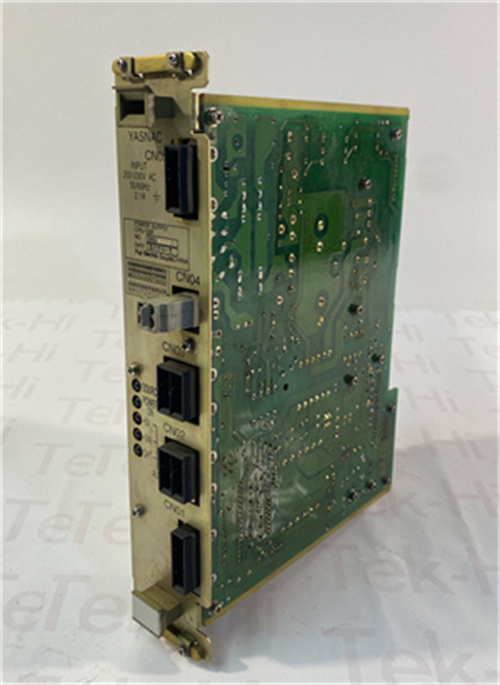
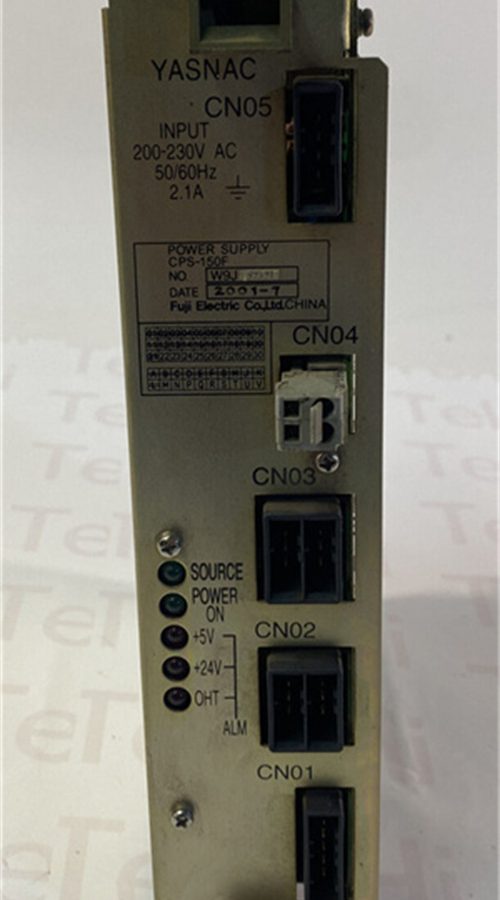
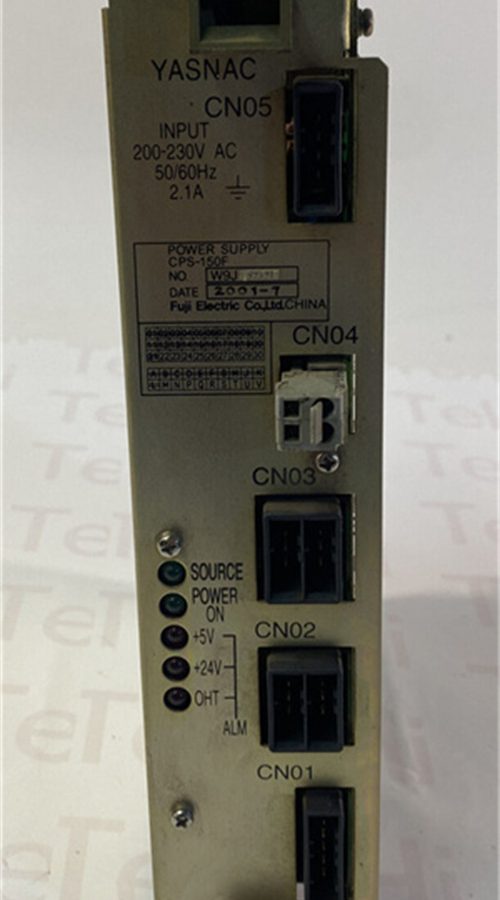
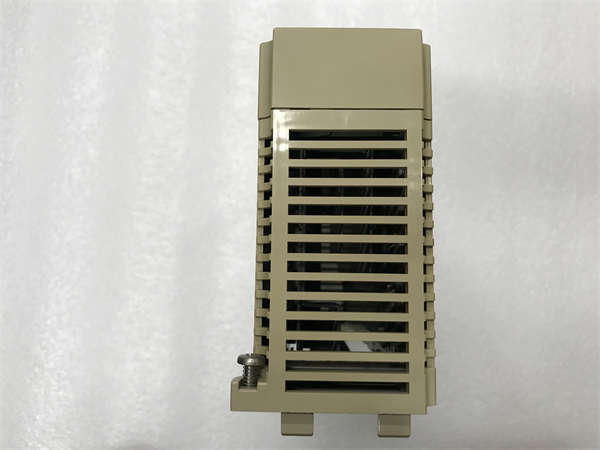
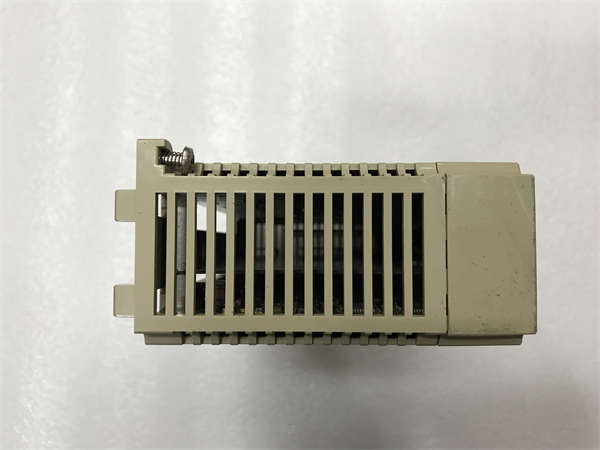
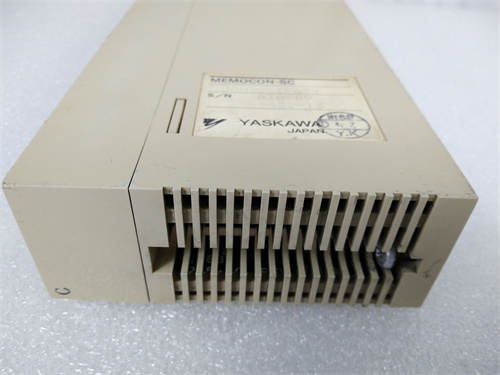
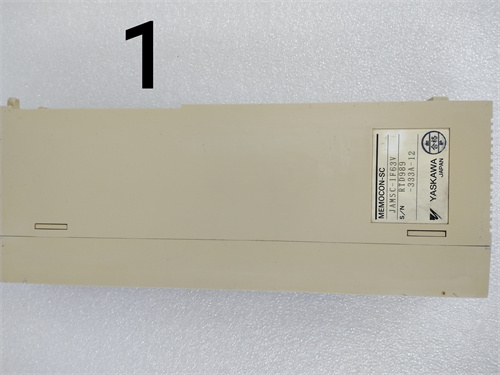
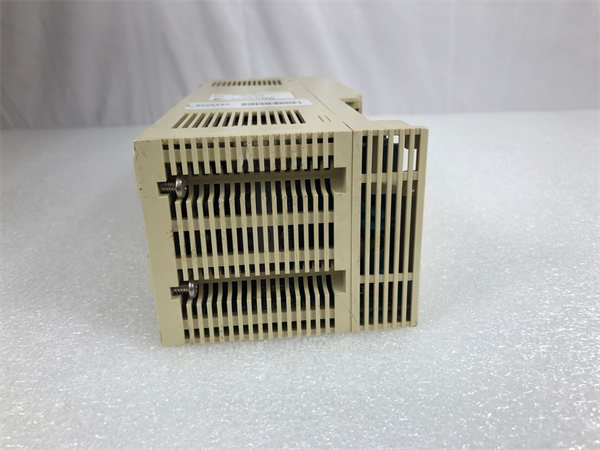
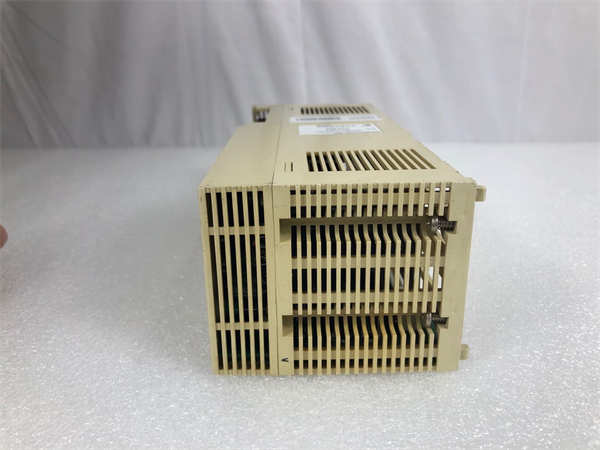
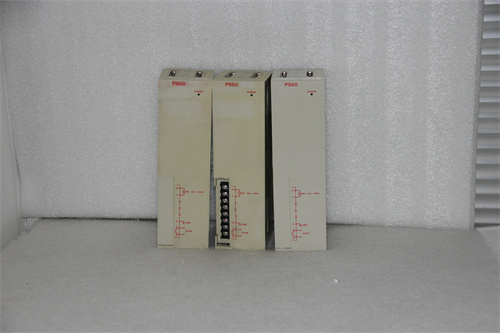
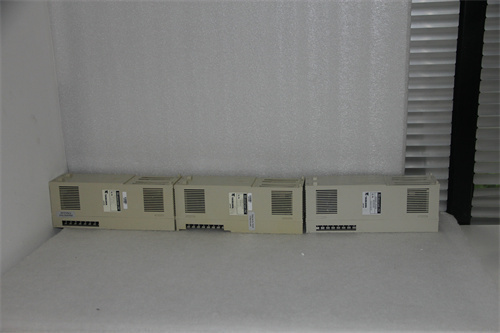
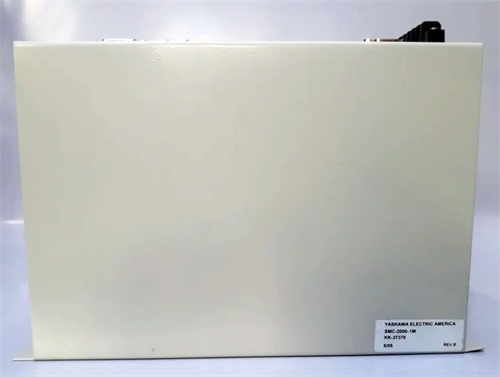
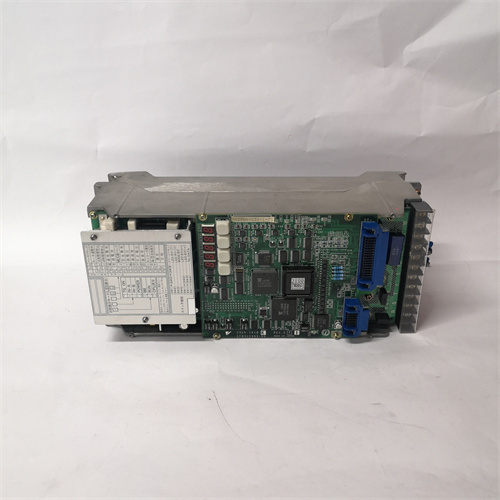
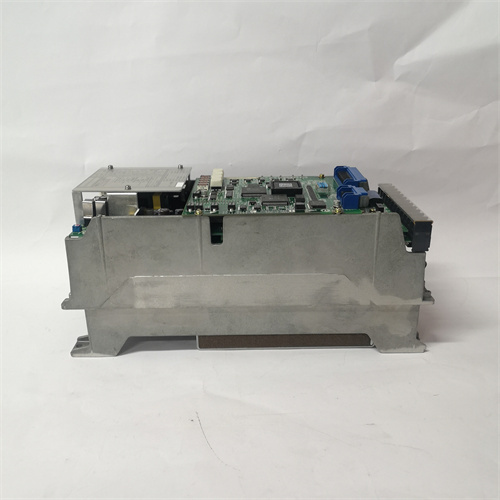
Output current range: 0 to 1A (however, please note that the YASKAWA CPS-150F control power supply may be rated at 150A, depending on the model and purpose)
Power consumption: 24VDC, 0.75W or less (This parameter may be application-specific)
Output current range: 0~1A (but note that the CPS-150F control power supply is rated at 150A elsewhere, which may be for different types of power supplies or applications)
Power supply capacity: If referring to a control power supply, its “150” may indicate a rated current of 150A
Brand: JRMSP (possibly a product line of Yaskawa Electric)
Type: May be a control module or similar component
However, due to the limited specific information of the “JRMSP-PS60AV”, no direct parameter and specification information is generally provided. It may be a component in a particular device or system, and its detailed parameters and specifications may depend on the overall design and requirements of that device or system.
Function: Based on the CPU224, the function is further enhanced, with 24 input /16 output, the host input and output points increased to 40 points, and the maximum can be expanded to 248 points digital or 35 points analog
Storage: User data can be stored for several days through the supercapacitor of the host, and the battery module is optional. The storage time can be extended to 200 days
Communication: The number of communication ports has been increased, and the communication capability has been greatly enhanced
Programming: The NetLinx network is transparently integrated, and without any programming, users can access the system from any point to remotely access, configure, diagnose or maintain
Series: Used with Yaskawa GP12 series robots, MH24 series robots, etc
Function: Transmission and deceleration, is an important part of industrial robots
Series:
HW1382522-A is a decelerating model number in Yaskawa robot series, which is usually used in conjunction with several robot series of Yaskawa, such as GP12 series and MH24 series.
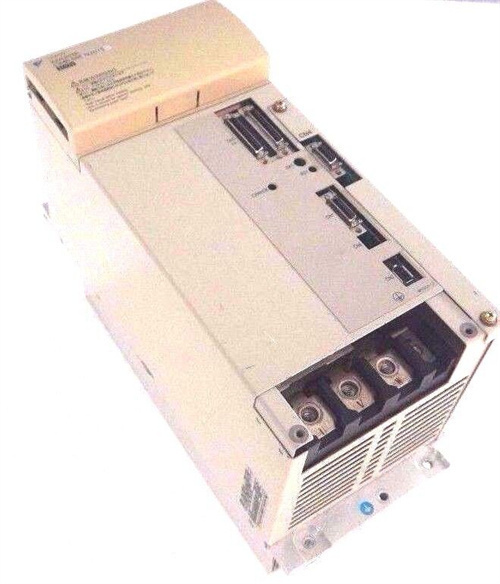
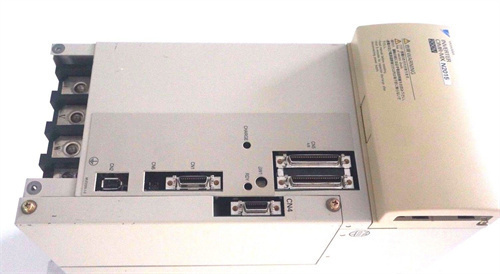
Function: YASKAWA CACR-SR20BE12G-E is a device that regulates the speed of DC motors. The upper end is connected to the AC power supply, the lower end is connected to the DC motor, by controlling the armature DC voltage to adjust the speed of the DC motor.
Working principle: The DC governor converts alternating current into two output DC power supplies, one input to the DC motor excitation (stator), one input to the DC motor armature (rotor). At the same time, the DC motor gives the governor a feedback current, and the governor judges the speed of the DC motor according to the feedback current, and corrects the armature voltage output if necessary to adjust the speed of the motor again.