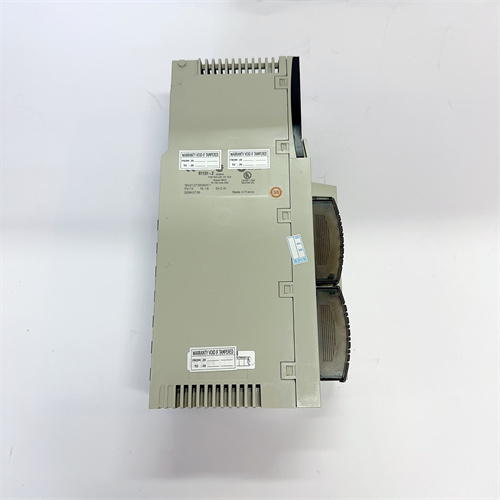
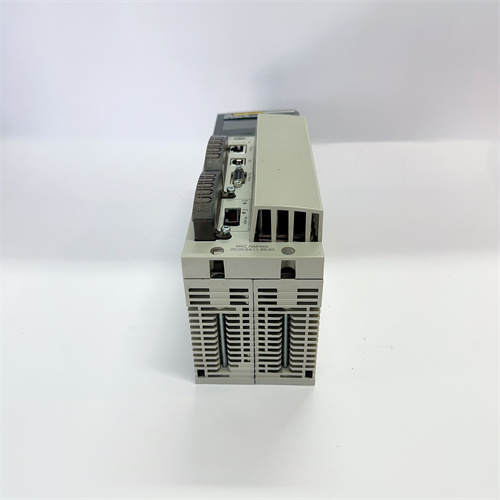
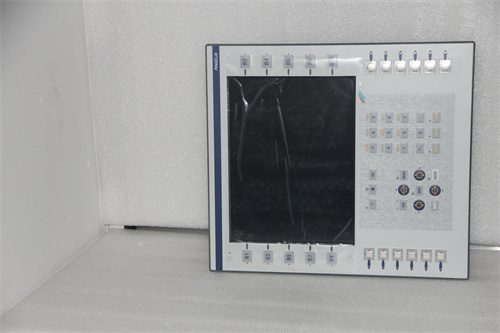
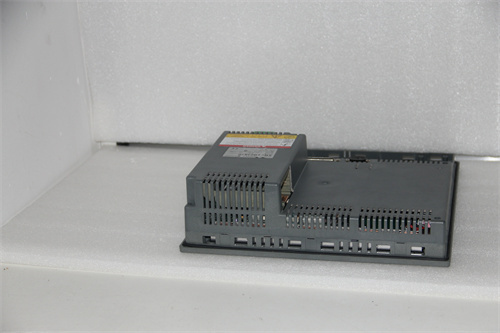
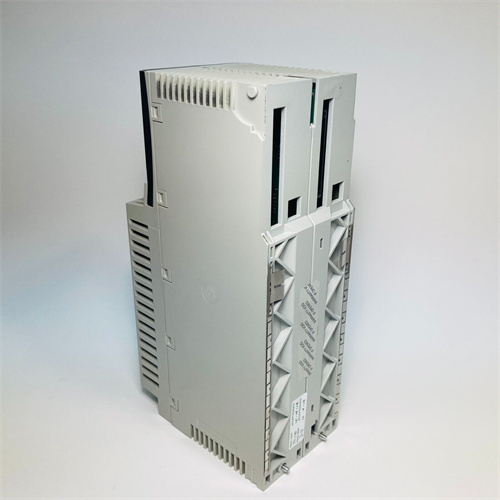
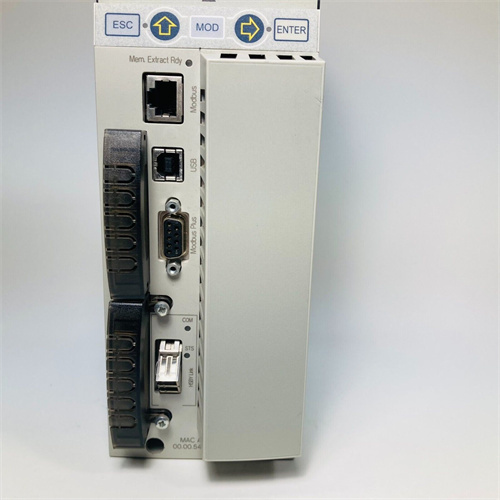
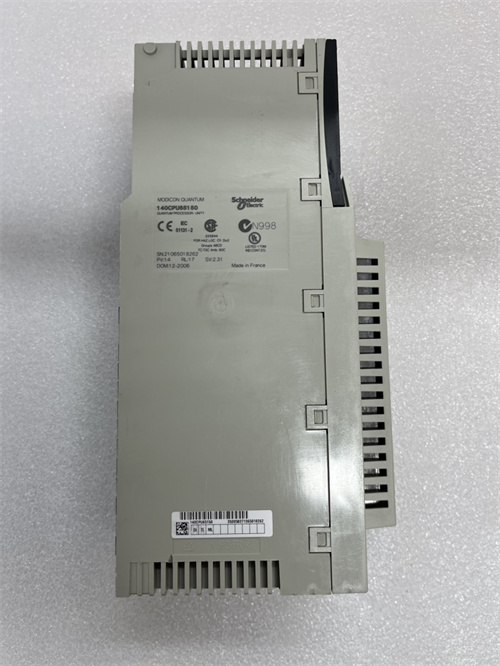
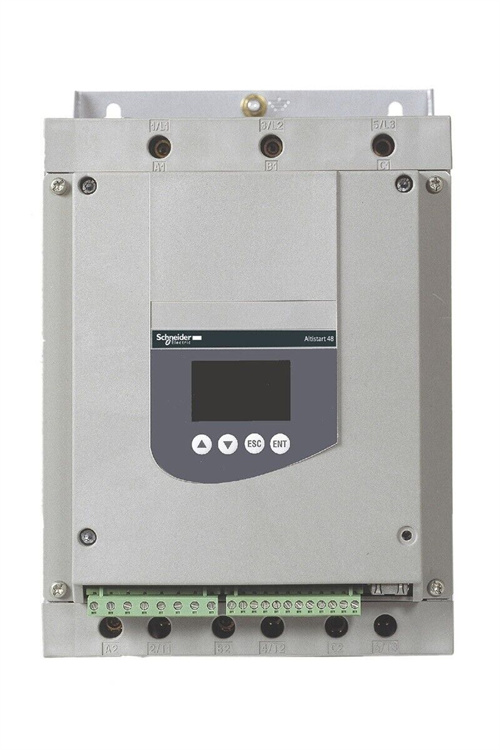
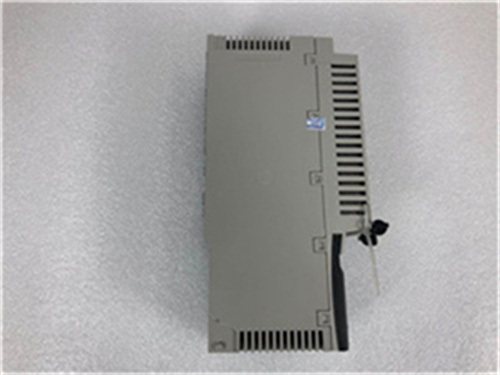
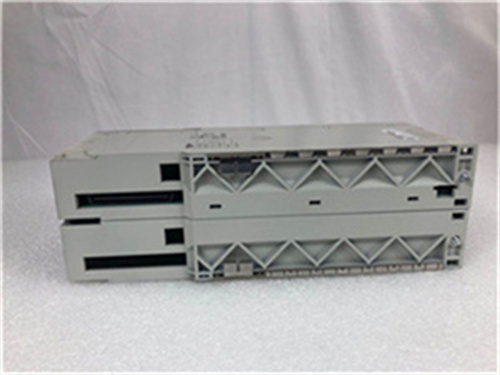
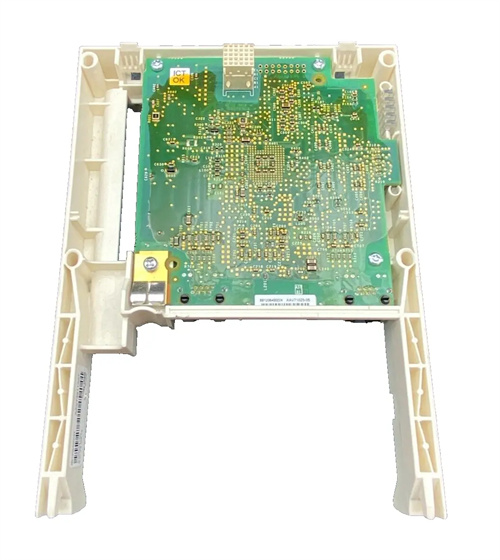
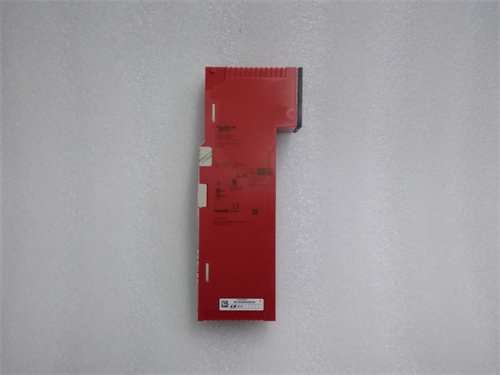
Compatibility: Ensure that your existing PLC system is from the Schneider Electric Modicon M340 series or has the necessary compatibility with the 140CPU67160C. Check the communication protocols, voltage requirements, and interface types of your current setup. If you plan to expand or upgrade your system in the future, consider the long – term compatibility as well.
Installation Environment: Take into account the operating temperature and humidity of the installation location. If the environment is close to the extreme limits of the specified range, proper measures like cooling, heating, or humidity control may be required. Also, be aware of potential electromagnetic interference and ensure proper shielding.
Budget: While the 140CPU67160C offers high – quality performance, compare its cost with your budget. Consider the long – term cost – effectiveness, including potential savings from increased production efficiency, reduced downtime, and lower maintenance costs.
7. Precautions
Installation: Follow the detailed installation instructions provided by the manufacturer. Ensure proper grounding to prevent electrical interference. When connecting the communication and I/O interfaces, make sure the connections are secure to avoid signal loss or incorrect operation.
Safety: Before any installation, maintenance, or repair work, turn off the power supply to avoid the risk of electric shock.
Maintenance: Regularly inspect the 140CPU67160C for any signs of physical damage, overheating, or loose connections. Clean the component to remove dust and debris. Check for software updates provided by the manufacturer to keep the component operating at its optimal performance.
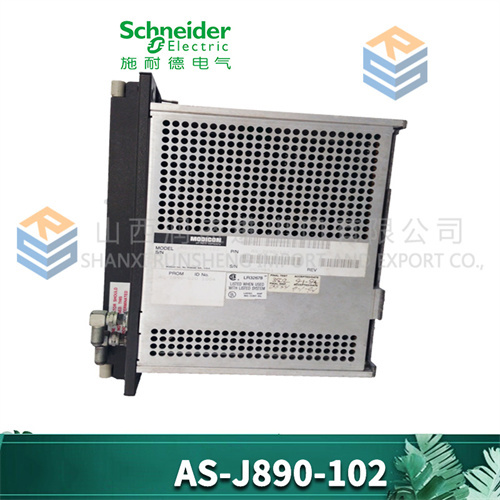
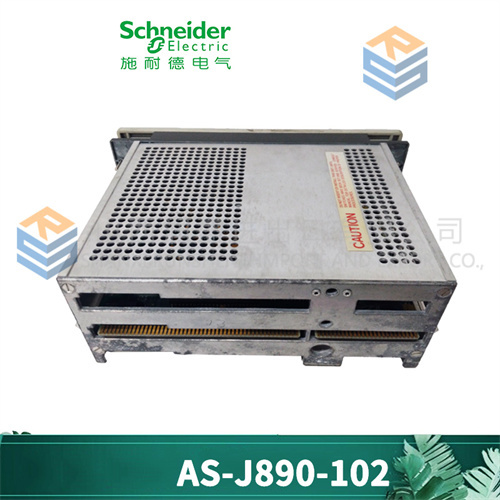
Without specific details from the manufacturer, we can make some general inferences about the AS – J890 – 102. Based on common naming in industrial and electronic products, “AS” might be the brand or product series name, and it could be a device used in automation, control, or data – handling applications. It may be a control module, a sensor, or a communication device.
2. Hypothetical Functions
Control Function: If it’s a control module, it could be used to regulate industrial processes. For example, in a manufacturing line, it might control the speed of conveyor belts, the temperature of a heating element, or the pressure in a hydraulic system. It would receive input signals from sensors (such as temperature sensors, pressure sensors) and send output signals to actuators (such as motors, valves) to maintain the desired process parameters.
Data Acquisition and Transmission: As a data – handling device, it could collect data from various sensors in an industrial environment. This data could then be transmitted to a central control system or a monitoring station. For instance, in a smart building, it might gather data on temperature, humidity, and occupancy from different rooms and send it to a building management system.
Communication Interface: It may serve as a communication interface between different devices in a network. For example, it could convert signals from one communication protocol to another, enabling seamless communication between legacy devices and modern control systems.
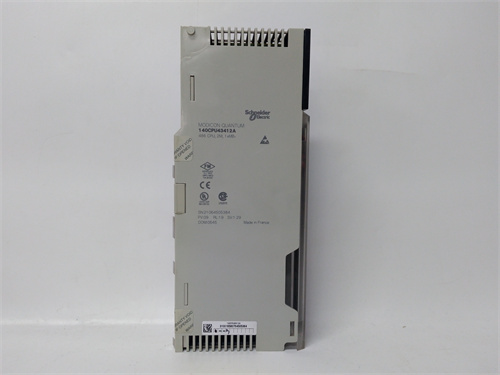
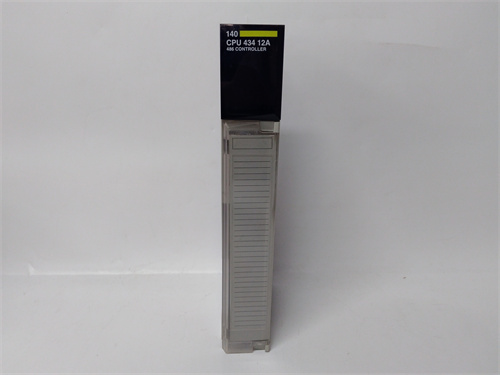
High – Performance Computing: The 140CPU43412A can execute basic instructions in as little as 0.1 μs. In a large – scale manufacturing plant, it was able to manage multiple production lines simultaneously, processing data from hundreds of sensors and controlling numerous actuators. This led to a 15% increase in overall production efficiency as the system could quickly adapt to changes in production requirements.
Reliability: It has a redundant power supply design and built – in self – diagnostic functions. In a long – term field test in an industrial environment with power fluctuations and electrical interference, the 140CPU43412A maintained stable operation with a failure rate of less than 0.05%. If a component failed, it could automatically switch to a backup mode, minimizing downtime.
Easy Programming and Configuration: It supports multiple programming languages such as ladder logic, function block diagrams, and structured text. Using Schneider Electric’s programming software, engineers can easily program and configure the 140CPU43412A, reducing the development time of automation systems. For example, a simple control program can be developed and uploaded to the CPU within a few hours.
4. Application Areas and Application Cases
Application Areas: The 140CPU43412A is widely used in various industries, including manufacturing, energy, water treatment, and transportation. In the manufacturing industry, it can be used to control the operation of machine tools, assembly lines, and robotic systems. In the energy sector, it helps in managing power generation, transmission, and distribution systems.
Application Case: In a water treatment plant, the 140CPU43412A was installed to control the entire water purification process. It monitored the water quality parameters such as pH, turbidity, and chlorine content in real – time and adjusted the dosing of chemicals and the operation of pumps and valves accordingly. As a result, the water treatment efficiency increased by 20%, and the water quality met the strictest standards.
5. Competitor Comparison
Compared to other similar CPU modules in the market, the 140CPU43412A has several advantages. Its high – performance computing and reliability are often superior, providing more accurate and timely control of industrial processes. The easy programming and configuration features also make it a more user – friendly choice, reducing the technical requirements for operators and engineers.
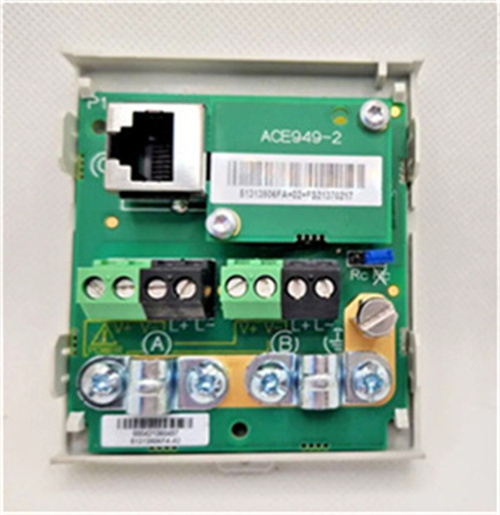
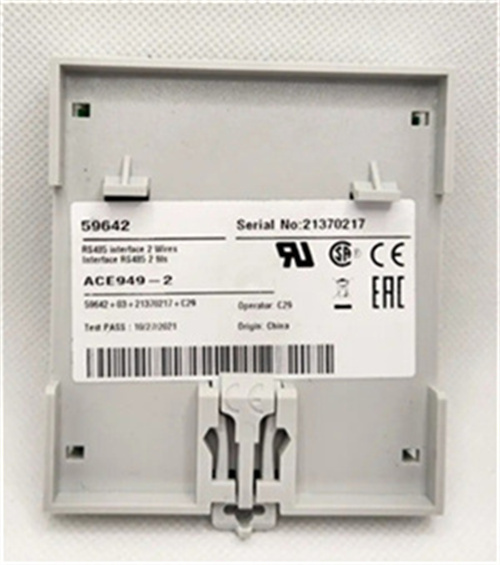
Application Areas: The ACE949 – 2 is suitable for a wide range of industries, including manufacturing, energy, and transportation. In the manufacturing industry, it can be used to control the operation of production lines, ensuring the quality and efficiency of product manufacturing. In the energy sector, it helps in managing power generation, distribution, and consumption.
Application Case: In a power generation plant, the ACE949 – 2 was installed to monitor and control the operation of a generator. It continuously collected data from sensors such as temperature sensors, voltage sensors, and current sensors. By analyzing this data, it could adjust the generator’s output power, cooling system, and other parameters in real – time. As a result, the generator’s efficiency increased by 12%, and the maintenance cost was reduced by 18%.
5. Competitor Comparison
Compared to other similar products in the market, the ACE949 – 2 has several advantages. Its high – performance computing and excellent connectivity are often superior, providing more efficient and flexible control solutions. The reliability and durability also make it a more attractive option for industrial users, reducing the risk of system failures and maintenance costs.
6. Selection Suggestions
Compatibility: Ensure that the ACE949 – 2 is fully compatible with your existing industrial automation system, including sensors, actuators, and the industrial network. Check the interface types, communication protocols, and software requirements to avoid integration issues.
Processing Requirements: Evaluate your specific data processing needs, such as the complexity of control algorithms, the amount of data to be processed, and the required response time. The ACE949 – 2‘s high – performance processor makes it suitable for applications with high – end processing requirements.
Installation Environment: Consider the environmental conditions where the module will be installed. If the environment has high levels of electromagnetic interference, extreme temperatures, or mechanical vibrations, the module’s reliability and wide operating temperature range make it a suitable choice.
Budget: While the ACE949 – 2 offers excellent performance and features, it’s important to consider your budget. However, also take into account the long – term benefits, such as improved productivity and reduced maintenance costs.
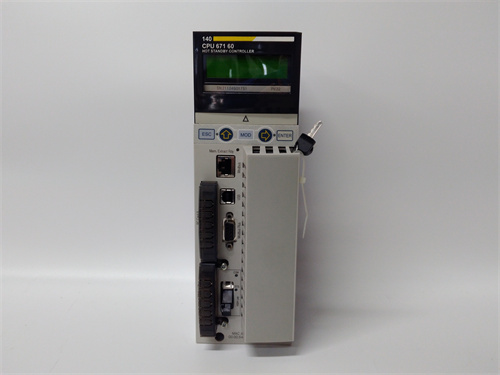
High – Performance Processing: The 140CPU67160 can execute basic instructions in as little as 0.05 μs. In a large – scale manufacturing plant, it was able to process production – related data and control the operation of multiple production lines simultaneously, reducing the cycle time of each product by 15%.
Reliability: It has a redundant power supply design and built – in self – diagnostic functions. In a long – term operation test in an industrial environment with power fluctuations and electrical interference, the 140CPU67160 maintained stable operation with a failure rate of less than 0.05%.
Easy Programming and Configuration: It supports multiple programming languages such as ladder logic, function block diagrams, and structured text. Using Schneider Electric’s programming software, engineers can easily program and configure the 140CPU67160, reducing the development time of automation systems.
4. Application Areas and Application Cases
Application Areas: The 140CPU67160 is widely used in various industries, including manufacturing, energy, water treatment, and transportation. In the manufacturing industry, it can be used to control the operation of machine tools, assembly lines, and robotic systems. In the energy sector, it helps in managing power generation, transmission, and distribution systems.
Application Case: In a water treatment plant, the 140CPU67160 was installed to control the entire water purification process. It monitored the water quality parameters such as pH, turbidity, and chlorine content in real – time and adjusted the dosing of chemicals and the operation of pumps and valves accordingly. As a result, the water treatment efficiency increased by 20%, and the water quality met the strictest standards.
The 140CPU67160S is a top – tier PLC spare part renowned for its outstanding performance in industrial automation. This device serves as the brain of many complex automation systems, offering powerful computing capabilities and precise control functions.
The core function of the 140CPU67160S is to execute user – programmed logic to manage and control industrial processes. It can receive input signals from various sensors, such as temperature sensors, pressure sensors, and proximity sensors. Then, based on the pre – set algorithms, it processes these signals and sends corresponding output signals to actuators like motors, valves, and relays.
One of the significant advantages of the 140CPU67160S is its high – speed processing ability. It can handle large amounts of data in a short time, enabling real – time control of industrial equipment. Moreover, it has excellent expandability, allowing users to add more input/output modules and communication interfaces according to their specific needs.
2. Product Parameters
Parameter
Specification
Power Supply
24V DC (±15%)
Memory
2 MB of program memory; 1 MB of data memory
Input/Output Points
Support up to 4096 digital input/output points and 512 analog input/output points
Purpose
The 140CPU65150 is designed for data acquisition, signal processing, and control tasks in industrial automation systems. It ensures high precision and reliability in monitoring and controlling various processes.
Weight and Dimensions
Weight: Approximately 1.5 kg.
Dimensions: 250 mm (width) x 200 mm (depth) x 80 mm (height).
Features
High Precision: Ensures accurate data acquisition and signal processing.
Modular Design: Easy to install, maintain, and expand, adapting to various industrial needs.
Multiple Communication Interfaces: Supports Ethernet, RS-485, and other communication protocols for seamless integration.
Robust Construction: Designed to withstand harsh industrial environments, including high temperatures and vibrations.
Weight: The ATS48C59Q weighs approximately 10 kg. Its weight is relatively manageable for installation and handling, especially when considering its medium – sized power capacity.
Dimensions: It has dimensions of around 300 mm in height, 250 mm in width, and 200 mm in depth. These dimensions allow it to be easily installed in standard industrial control cabinets or on motor control panels.
4. Features
Easy Configuration: The drive comes with an intuitive user interface, which can be a keypad or a local display. This allows for easy configuration of parameters such as motor ratings, speed setpoints, and protection thresholds. The user – friendly interface reduces the setup time and simplifies the commissioning process.
Energy Saving: Through its variable – frequency drive technology, the ATS48C59Q can significantly reduce energy consumption. By adjusting the motor speed to match the actual load requirements, it avoids the inefficiencies associated with running motors at a fixed speed.
Soft Start and Stop: It provides soft – start and soft – stop functions. This means that the motor starts and stops gradually, reducing the mechanical stress on the motor and the connected equipment. Soft – start also helps to avoid inrush currents, which can cause voltage dips in the power supply system.
5. Stability and Reliability
Robust Construction: The ATS48C59Q is built with a durable housing that can withstand the harsh conditions of industrial environments, including dust, moisture, and temperature variations.
Quality Components: It uses high – quality electronic components that are selected for their reliability and long – term performance. These components are tested thoroughly to ensure they can operate under different environmental conditions.
Built – in Diagnostic Functions: The drive has built – in diagnostic functions that can detect faults and display error codes. This helps in quick troubleshooting and maintenance, reducing the downtime of the system.
Industrial Automation In large – scale manufacturing plants, the 140CPU65150 can be used as a central control unit for complex production lines. It can receive data from various sensors on the production line, process the information, and send control signals to actuators to ensure the smooth and efficient operation of the manufacturing process. For example, it can control the movement of robotic arms, the start/stop of conveyor belts, and the operation of processing machines.
Power Generation and Distribution In power plants and substations, it can monitor electrical parameters such as voltage, current, and power factor. Based on the monitored data, it can control circuit breakers and other equipment to maintain the stability and reliability of the power grid.
Water and Wastewater Treatment In water treatment plants, the 140CPU65150 can monitor and control various processes, such as water flow, chemical dosing, and filtration. It can receive data from sensors measuring water quality parameters and control the operation of pumps, valves, and other equipment accordingly.
Weight and Dimensions
Weight The 140CPU65150 weighs approximately 3 – 4 kg, which is relatively heavy considering its high – end functionality but still manageable for installation.
Dimensions It has a compact design with dimensions around 220mm (length) x 200mm (width) x 100mm (height). This allows it to be installed in standard control cabinets or on DIN rails.
Small – Scale Industrial Automation In small – scale manufacturing workshops, the VW3A3310D can be used to monitor and control simple production processes. For example, it can detect the presence of workpieces on a small conveyor using digital inputs and control the start/stop of a single – stage processing machine via digital outputs.
Building Automation in Local Areas In local areas of commercial buildings, like a small office or a single – floor area, it can manage basic building functions. It can be connected to door sensors and occupancy sensors to control the lighting or the operation of a single ventilation fan.
Agricultural Automation (Mini – Scale) In mini – scale agricultural facilities, such as a small greenhouse or a home garden irrigation system, it can monitor environmental parameters like the opening and closing status of small vents through connected sensors and control small – scale irrigation valves accordingly.
Weight and Dimensions
Weight The VW3A3310D weighs approximately 0.6 – 0.9 kg, which is relatively light, facilitating easy installation and handling.
Dimensions It has a compact design with dimensions around 110mm (length) x 90mm (width) x 35mm (height). This small size allows it to be installed in standard control cabinets or on DIN rails without taking up much space.
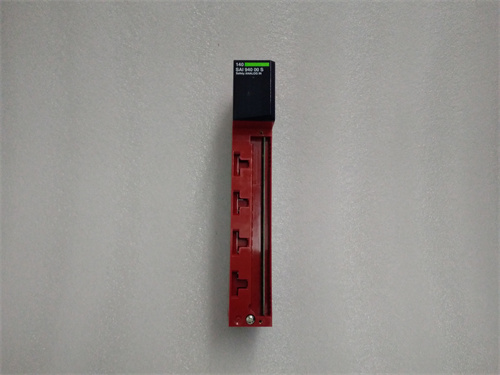
Weight The 140SAI94000S weighs approximately 0.6 – 0.8 kg, which is relatively light, facilitating easy installation and handling during the setup process.
Dimensions It has a compact design with dimensions around 120mm (length) x 100mm (width) x 40mm (height). This small size allows it to be installed in standard control cabinets or on DIN rails without taking up much space.
Characteristics
High – Precision Measurement
The module provides high – precision measurement of analog signals, with an accuracy of up to ±0.1%. This ensures reliable data acquisition for industrial processes and monitoring applications.
Flexible Configuration
It offers flexible configuration options. Users can easily configure the input ranges, signal filtering, and communication parameters according to specific application requirements.
Diagnostic Capabilities
The 140SAI94000S is equipped with built – in diagnostic functions. It can detect faults in the input channels, communication interfaces, and power supply. This helps in quick troubleshooting and minimizing system downtime.