
.jpg "TVME200(1)")
Description
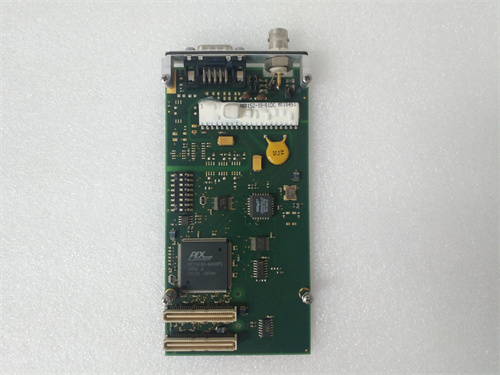
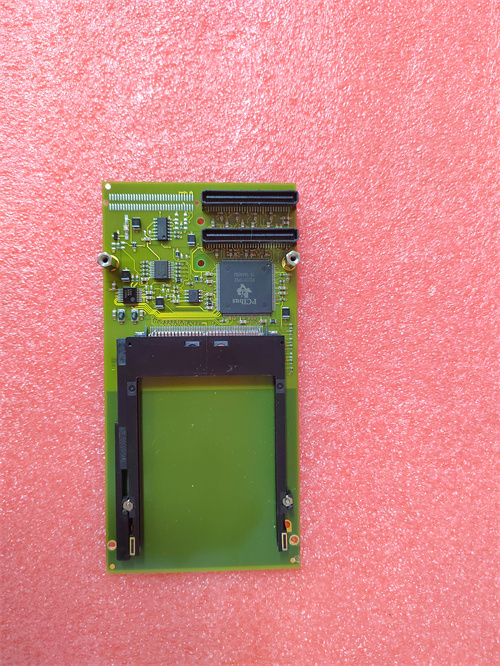
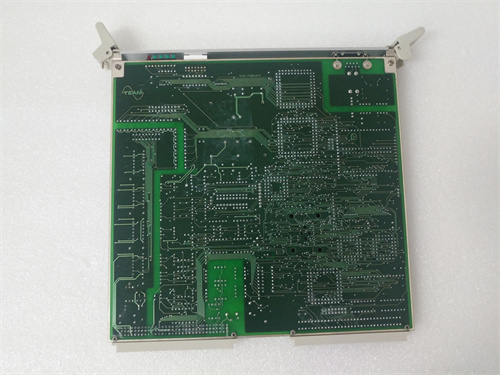
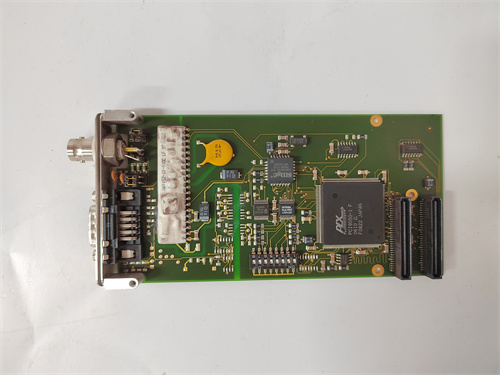
TEWS TVME200-10 — VMEbus Communication Interface Board
Product Description: TEWS TVME200-10
TEWS TVME200-10 is a high-performance communication interface board manufactured by TEWS Technologies, a specialist in embedded computing solutions for industrial applications. This board is designed to be installed in a VMEbus system chassis, providing a critical bridge between the VMEbus backplane and external devices or networks. The primary function of the TEWS TVME200-10 is to add robust, deterministic communication capabilities—most commonly for serial interfaces like RS-232 and RS-422/485—to VMEbus-based control systems, which are often used in demanding sectors like transportation, industrial automation, and scientific instrumentation. By integrating a board like the TVME200-10, system designers can connect PLCs, motion controllers, or other computing nodes on the VMEbus to peripherals such as operator panels, scanners, sensors, or other serial-based equipment.
Product Parameters
-
Bus Standard: VMEbus (VME64/VME64x), 6U form factor.
-
Board Type: Communication Interface Board (Serial I/O).
-
Key Interfaces:
-
Serial Ports: Features multiple high-speed asynchronous serial channels (e.g., RS-232, RS-422, or RS-485). The exact number and type (e.g., 4x RS-232, 2x RS-422/485) are defined by the “10” variant suffix.
-
Configuration: Often includes programmable baud rates, data formats, and FIFO buffers for reliable data handling.
-
-
Controller: Utilizes a dedicated communication controller (e.g., based on a Texas Instruments TL16C554 or similar quad UART chip) to offload processing from the main CPU.
-
Interrupts: Supports VMEbus interrupts for efficient event-driven communication.
-
Addressing: Configurable base address and interrupt levels via onboard switches or software.
-
Power: Powered directly from the VMEbus backplane (+5V).
-
Operating Temperature: Designed for industrial temperature ranges (typically 0°C to +70°C or wider).
Advantages and Features
-
Reliable Industrial Connectivity: The TEWS TVME200-10 provides robust, noise-immune serial communication (especially in RS-422/485 mode) essential for connecting VMEbus systems to legacy or industrial field devices over long distances.
-
Dedicated Communication Processor: By offloading serial protocol handling from the main system CPU, this board increases overall system performance and ensures deterministic data transfer for real-time control applications.
-
VMEbus System Integration: It seamlessly integrates into the standardized VMEbus architecture, a proven platform known for its ruggedness, high data throughput, and support for multi-processor configurations in critical environments.
-
Flexible Configuration: The serial ports on the TVME200-10 are typically highly configurable in terms of protocol (RS-232 vs. 422/485), baud rate, and data format, making it adaptable to a wide range of existing equipment.
-
Proven Durability: TEWS boards are built for long-term reliability in challenging conditions, featuring industrial-grade components and conformal coating options for protection against dust and humidity.
Application Cases in Various Fields
-
Industrial Automation: Connecting a VMEbus-based PLC or motion controller in a manufacturing cell to multiple serial devices like barcode readers, weighing scales, or legacy operator terminals.
-
Railway Transportation: Used in onboard train control or passenger information systems to interface with serial data links for diagnostics, signage, or door controls.
-
Medical and Scientific Equipment: Providing serial communication ports in imaging systems or laboratory analyzers built on a VMEbus platform.
-
Telecommunications: Serving as a communication interface in legacy telephony switches or transmission equipment that utilizes the VMEbus standard.
-
Defense and Aerospace: Integrating serial data links for navigation, communications, or test equipment in military platforms.
Comparisons with Competing Products
Direct competitors include similar VMEbus serial I/O boards from manufacturers like Kontron, MEN Mikro Elektronik, and GE Intelligent Platforms (now Abaco Systems). The TEWS TVME200-10 competes based on TEWS’s strong reputation for quality and long-term availability in the embedded market. Key differentiators may include the specific UART controller used, driver support for various real-time operating systems (e.g., VxWorks, QNX, Linux), and the availability of specific ruggedized versions. Competing boards might offer different port counts or combinations (e.g., adding CAN bus or MIL-STD-1553 interfaces).
Selection Suggestions and Precautions
-
Confirm Port Type and Count: Carefully verify the exact specification of the TVME200-10 variant. The suffix “-10” indicates a specific configuration; ensure the number of ports and the electrical standard (RS-232 vs. RS-422/485) match your application’s requirements.
-
Check Driver and OS Compatibility: Before integration, confirm that TEWS provides supported device drivers or software libraries for the real-time operating system (RTOS) or software environment running on your VMEbus host CPU.
-
Plan Addressing and Interrupts: Properly set the board’s base address and interrupt level (via hardware switches or software) to avoid conflicts with other cards in the VMEbus chassis. Document this configuration thoroughly.
-
Consider Cabling and Environment: For RS-422/485 networks, ensure proper termination and use shielded, twisted-pair cables. In harsh environments, specify conformal coating for the TVME200-10 board if available.
.jpg)
.jpg)
EMERSON CE4003S2B4 DCSPLC
CE4003S2B5 EMERSON
VE4003S2B6 EMERSON PLC
EMERSON CE4003S2B6
EMERSON VE4003S3B3
.jpg)

Reviews
There are no reviews yet.