Building Automation: In commercial buildings, the MVI56 – BAS is used to integrate and control various building systems. It can connect to HVAC (Heating, Ventilation, and Air – Conditioning) systems to adjust temperature and humidity levels based on occupancy and outdoor weather conditions. It also controls lighting systems, turning lights on or off according to daylight availability and room occupancy.
Energy Management: The module plays a crucial role in energy management. By monitoring energy consumption data from different building systems, it can optimize the operation of equipment to reduce energy waste. For example, it can adjust the speed of fans and pumps in HVAC systems to match the actual demand.
Facility Monitoring: It is used for monitoring the overall health and performance of a building. It can collect data from sensors placed throughout the building, such as water leak sensors, fire alarms, and security sensors, and provide real – time alerts to building management.
3. Weight and Dimensions
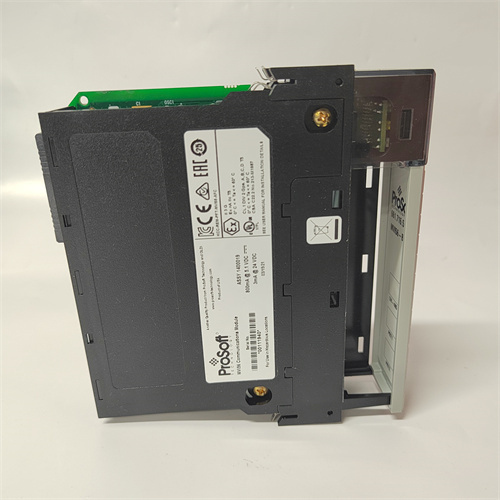
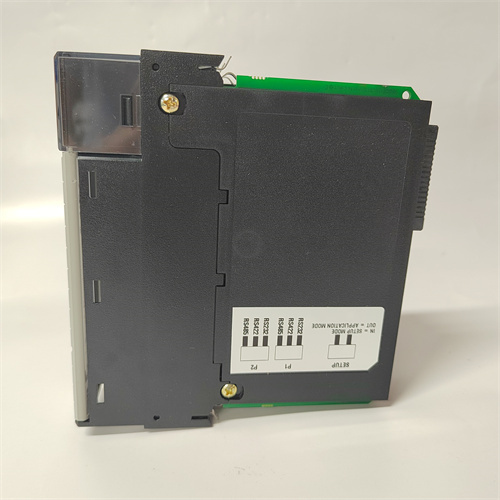
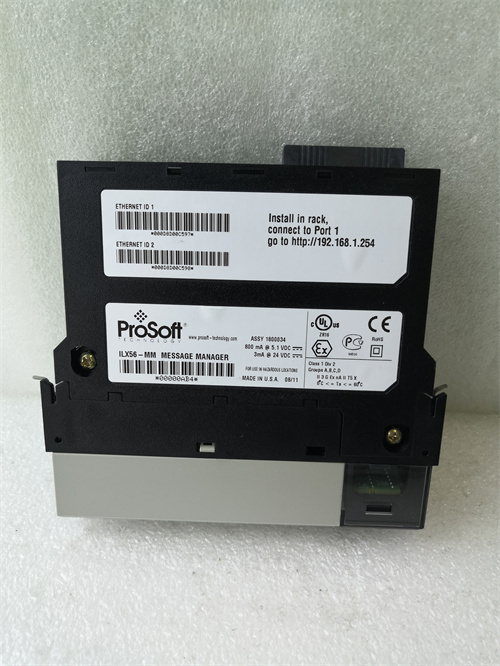
Weight: The MVI56 – BAS weighs approximately 1 kg. This relatively light weight makes it easy to install and handle during the setup process.
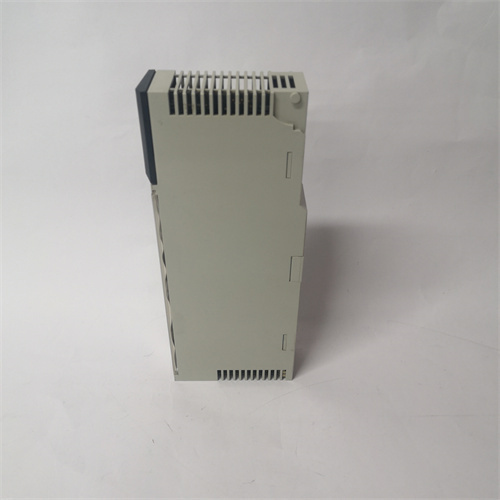
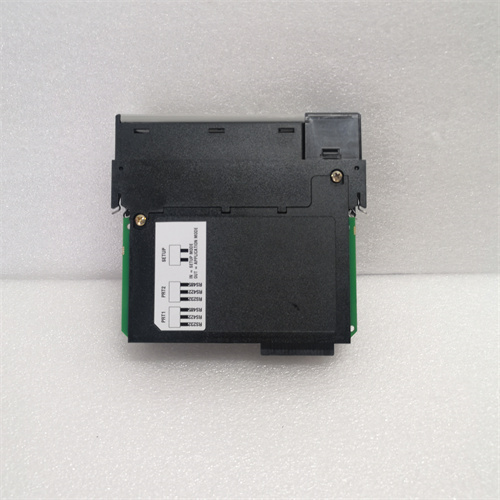
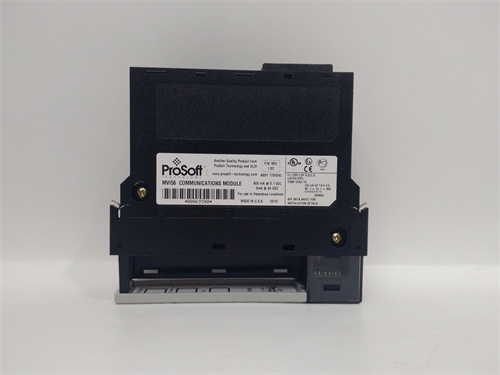
Dimensions: It has a compact design with dimensions of around 150 mm in length, 100 mm in width, and 50 mm in height. These dimensions allow it to be easily installed in standard control cabinets or on DIN rails in building automation systems.
Communication Protocols: The MVI56 – BAS supports BACnet/IP protocol, which is widely used in building automation systems. This allows it to communicate with various BACnet – compliant devices such as thermostats, lighting controls, and ventilation systems.
Power Requirements: It typically operates on a 24V DC power supply, with a relatively low power consumption of around 5 – 8W. This makes it energy – efficient and suitable for long – term operation in building environments.
Data Transfer Rate: The module can achieve a data transfer rate that is sufficient for real – time monitoring and control in building automation. It can handle large amounts of data related to temperature, humidity, occupancy, and other environmental parameters.
I/O Configuration: It has configurable input and output channels. For example, it can support a certain number of digital and analog inputs and outputs, which can be used to interface with different types of sensors and actuators in a building automation system.
2. Applications
Building Automation: In commercial buildings, the MVI56 – BAS is used to integrate and control various building systems. It can connect to HVAC (Heating, Ventilation, and Air – Conditioning) systems to adjust temperature and humidity levels based on occupancy and outdoor weather conditions. It also controls lighting systems, turning lights on or off according to daylight availability and room occupancy.
Energy Management: The module plays a crucial role in energy management. By monitoring energy consumption data from different building systems, it can optimize the operation of equipment to reduce energy waste. For example, it can adjust the speed of fans and pumps in HVAC systems to match the actual demand.
Facility Monitoring: It is used for monitoring the overall health and performance of a building. It can collect data from sensors placed throughout the building, such as water leak sensors, fire alarms, and security sensors, and provide real – time alerts to building management.
3. Weight and Dimensions
Weight: The MVI56 – BAS weighs approximately 1 kg. This relatively light weight makes it easy to install and handle during the setup process.
Dimensions: It has a compact design with dimensions of around 150 mm in length, 100 mm in width, and 50 mm in height. These dimensions allow it to be easily installed in standard control cabinets or on DIN rails in building automation systems.
4. Features
Easy Integration: The module is designed for easy integration with existing Allen – Bradley ControlLogix programmable automation controllers (PACs). It can be quickly configured and connected to the control network, reducing the time and effort required for system setup.
Flexible Configuration: It offers flexible configuration options, allowing users to customize the input and output settings according to the specific requirements of their building automation system. This flexibility makes it suitable for a wide range of applications.
User – Friendly Interface: The MVI56 – BAS comes with a user – friendly interface that simplifies the configuration and monitoring process. Operators can easily access and analyze data, set up alarms, and make adjustments to the system parameters.
5. Stability and Reliability
Robust Design: The module is built with a robust housing that protects its internal components from dust, moisture, and mechanical vibrations. This ensures stable operation in harsh building environments.
Redundancy Options: Some versions of the MVI56 – BAS may offer redundancy features, such as redundant power supplies and communication paths. These features enhance the reliability of the system by providing backup in case of component failures.
Quality Manufacturing: The module is manufactured to high – quality standards, ensuring long – term reliability and performance. It undergoes rigorous testing before being released to the market.
6. Real – World Examples
Large Office Building: In a large office building, the MVI56 – BAS is used to manage the HVAC and lighting systems. By integrating with occupancy sensors and weather stations, it adjusts the temperature and lighting levels in different areas of the building in real – time. For example, during peak working hours, it increases the cooling and lighting intensity in occupied areas, while reducing energy consumption in unoccupied areas. This results in significant energy savings and improved comfort for the building occupants.
Hospital Complex: In a hospital, the MVI56 – BAS is used to monitor and control critical systems such as the HVAC, medical gas supply, and emergency lighting. It continuously monitors the environmental conditions in patient rooms, operating theaters, and laboratories to ensure a safe and comfortable environment. In case of any abnormal conditions, such as a sudden drop in temperature or a gas leak, it immediately sends out alerts to the hospital’s maintenance and security teams. This helps to prevent potential health risks and ensures the smooth operation of the hospital.




Reviews
There are no reviews yet.