
Description
Product Description
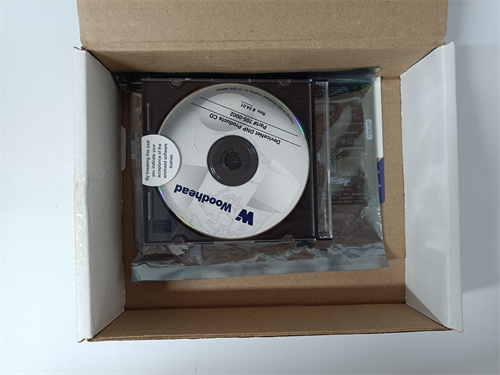
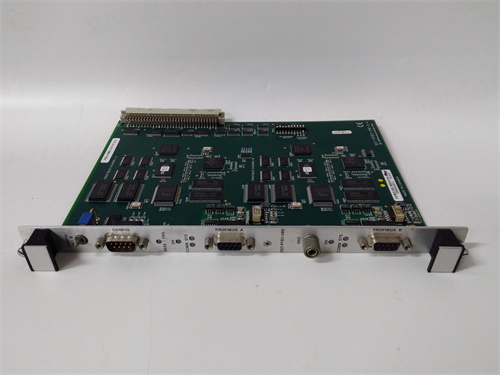
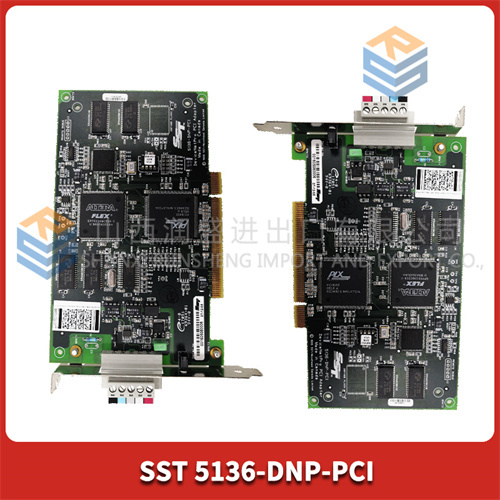
The SST 5136-DNP-PCI is a specialized industrial communication interface card designed to provide a robust and reliable DNP3 (Distributed Network Protocol) serial link for supervisory control and data acquisition (SCADA) systems. This product, the SST 5136-DNP-PCI, is engineered to install directly into a standard PCI or PCIe slot of an industrial computer or server, transforming it into a high-performance DNP3 Outstation (slave) or Master station. The core function of the SST 5136-DNP-PCI is to manage the complex, time-sensitive data exchange defined by the DNP3 protocol, offloading this task from the host PC’s CPU and ensuring deterministic communication with field devices like RTUs, protective relays, and PLCs. Implementing the SST 5136-DNP-PCI card is a proven method for achieving reliable, long-distance SCADA communication in critical infrastructure networks.
Product Parameters and Specifications
-
Form Factor: PCI or PCI Express (PCIe) add-in card for industrial computers.
-
Primary Protocol: Full implementation of DNP3 Serial (Level 2, 3, or 4) over RS-232/422/485.
-
Serial Ports: Typically features 2 or 4 fully isolated, software-selectable RS-232/422/485 serial ports. Isolation protects the host computer from ground loops and surges on the communication lines.
-
On-Board Intelligence: Equipped with a dedicated onboard processor (e.g., a PowerPC or ARM chip) and memory to handle all DNP3 protocol processing independently.
-
Data Throughput: Supports high-speed serial communication (up to 115.2 kbps or higher per port) and can manage multiple concurrent DNP3 sessions.
-
Software Support: Includes a comprehensive software development kit (SDK) with APIs (C/C++, .NET) and often pre-compiled drivers for Windows and Linux operating systems.
-
Isolation and Protection: Features channel-to-channel and channel-to-ground isolation (e.g., 1500V), with surge protection on serial lines for harsh electrical environments.
-
Certifications: Often carries certifications for use in demanding environments, such as UL/cUL, CE, and may be suitable for industrial temperature ranges.
Advantages and Key Features
-
Deterministic and Reliable Protocol Handling: The key advantage of the SST 5136-DNP-PCI is its dedicated processor, which ensures time-critical DNP3 communication is handled with precision and without being affected by the load on the host PC’s operating system.
-
Robust Electrical Isolation: The galvanic isolation on each serial port is critical for SCADA systems, protecting expensive server hardware from voltage transients, ground potential differences, and lightning-induced surges common in utility field networks.
-
Reduced Host CPU Load: By offloading all DNP3 protocol stack processing, the card frees up the host computer’s resources for HMI, database, and other application tasks, improving overall system performance and stability.
-
Flexibility and Scalability: Supporting multiple ports and configurable as Master or Outstation, a single SST 5136-DNP-PCI card can communicate with numerous field devices, simplifying system architecture.
-
Proven Track Record in Critical Infrastructure: This card, and the SST brand now part of Woodhead Connectivity (previously a division of Schneider Electric), has a long history of deployment in electric power, water, and oil & gas SCADA systems where reliability is non-negotiable.
Application Cases in Various Industries
-
Electric Power Transmission & Distribution: The primary application is in substation SCADA systems, where the card acts as a DNP3 Master in a control center server to poll data from dozens of RTUs and intelligent electronic devices (IEDs) across the grid.
-
Water & Wastewater Management: Used in central monitoring stations to communicate with pump station RTUs, collecting flow, pressure, and tank level data via DNP3 serial links over leased lines or radio.
-
Oil & Gas Pipeline SCADA: Implemented as a communication front-end in pipeline control centers to gather data on pipeline pressure, flow, valve status, and leak detection from remote sites.
-
Renewable Energy Plants: Connects to wind turbine or solar farm controllers to aggregate performance and status data for transmission to a central operations center.
Comparison with Competing Products
Compared to software-based DNP3 stacks running on a standard PC serial port or USB-to-serial adapters, and against other hardware cards (e.g., from GE, RuggedCom), the SST 5136-DNP-PCI offers distinct benefits:
-
Superior Reliability & Determinism: Hardware-based processing is inherently more reliable and deterministic than a software stack subject to OS scheduling delays and potential interruptions.
-
Built-in Protection: The integrated isolation and surge protection are a major advantage over simple USB/PCI serial adapters, which offer no protection and can lead to costly system damage.
-
Driver Stability and Legacy Support: SST cards are known for their mature, stable drivers that support legacy operating systems still prevalent in industrial settings, whereas newer or software-only solutions may lack this long-term support.
-
Focus on the DNP3 Niche: As a dedicated DNP3 card, the SST 5136-DNP-PCI is often more optimized for this specific protocol than multi-protocol gateways, which can simplify configuration and troubleshooting.
Selection Suggestions and Precautions
-
Verify Bus Compatibility: Confirm whether your host computer has an available PCI or PCIe slot (they are not physically compatible) and select the correct card variant (SST 5136-DNP-PCI or PCIe).
-
Assess Port Count and Isolation Needs: Determine the number of serial devices you need to connect. Ensure the card’s isolation rating (e.g., 1500V) meets or exceeds the requirements of your installation environment.
-
Check Operating System (OS) Support: Verify that the card’s drivers and SDK are compatible with your specific OS version (e.g., Windows Server 2019, Linux Kernel version). Legacy OS support is a strength but must be confirmed.
-
Plan for Proper Grounding and Wiring: To leverage the isolation, field wiring must be installed correctly. Follow the card’s manual for proper grounding of the isolated side to avoid creating ground loops.
-
Utilize the Provided Software Tools: Use the configuration utilities and diagnostic tools provided with the SST 5136-DNP-PCI to set up port parameters (baud rate, parity) and monitor communication health.
-
Consider Future-Proofing: While serial DNP3 is still widespread, consider if your network is migrating to DNP3 over TCP/IP (Ethernet). Evaluate if a serial card is the long-term solution or if an Ethernet-based gateway might be more appropriate for new installations.
-
Source from Reputable Suppliers: Purchase from authorized distributors to ensure you receive genuine hardware with valid firmware, full documentation, and access to technical support.
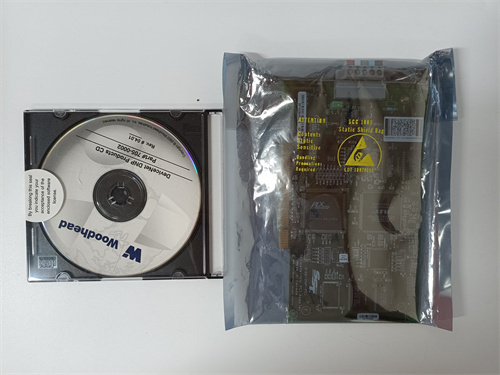
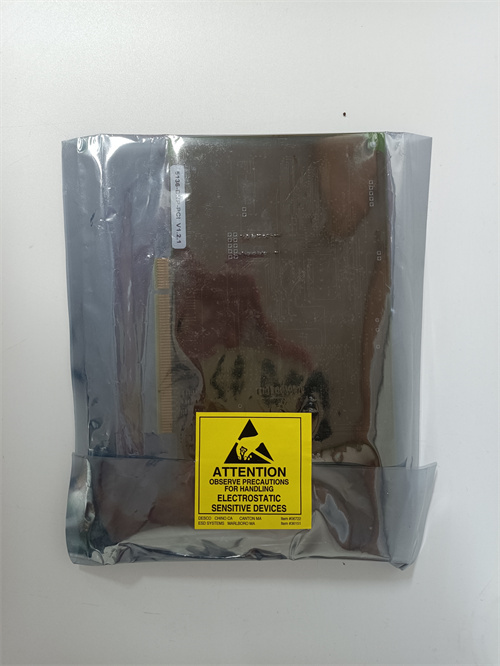
ABB D086-16 PLC
ABB XI16E1-E4.0 PLC
XI16E1-E4 ABB PLC
ABB DSPA110 PLC
INLIMO3 ABB PLC
ABB YB161102-AK PLC

Reviews
There are no reviews yet.