
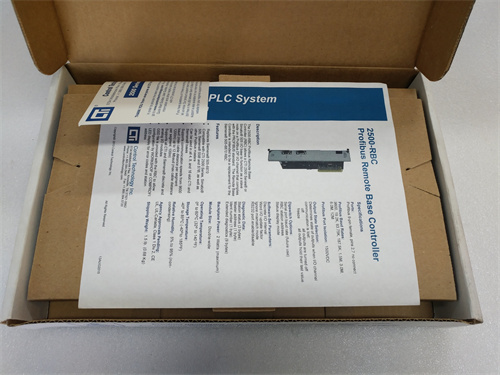
Description
ABB CTI-2532: In-depth Analysis of ABB’s High-Performance Communication Interface Module
The core analysis object is ABB CTI-2532—a cutting-edge industrial communication interface module launched by ABB, specifically engineered to enable seamless data exchange between distributed control systems (DCS), programmable logic controllers (PLCs), and field devices in complex industrial environments. As a key component of ABB’s Advant OCS and 800xA control system ecosystems, ABB CTI-2532 supports multiple industrial communication protocols, ensuring reliable connectivity and real-time data transmission for critical control processes. Whether integrating legacy equipment into modern systems or building new distributed control architectures, ABB CTI-2532 delivers robust performance and flexible adaptability, making it indispensable in power generation, manufacturing, and process industries. Detailed technical specifications and product inquiries are available via the ABB CTI-2532 official reference link.
Core Product Parameters
- Communication Protocols: Supports dual-protocol functionality, including Profibus DP/V1 (slave/master mode) and Modbus RTU/TCP; compatible with ABB’s proprietary MasterBus 300 communication bus, enabling interoperability with ABB controllers (e.g., AC 800M, Advant Controller 450) and third-party devices.
- Interface Configuration: 2 x Profibus DP ports (RS-485 physical layer, baud rate range 9.6 kbps ~ 12 Mbps), 1 x Ethernet port (RJ45, 10/100 Mbps, TCP/IP protocol stack) for Modbus TCP communication; 1 x MasterBus 300 interface (backplane connection) for integration with ABB control system chassis.
- Data Transmission Capacity: Maximum Profibus DP node capacity of 124 slaves per port; Modbus TCP supports up to 64 concurrent client connections; data buffer size of 8 KB for input and 8 KB for output, ensuring efficient handling of high-volume real-time data.
- Operating Environment: Operating temperature range -40°C ~ 70°C, storage temperature -40°C ~ 85°C; relative humidity 5% ~ 95% (non-condensing); vibration resistance 3 g (10 Hz ~ 500 Hz), shock resistance 25 g (11 ms, half-sine wave), compliant with IEC 61010-1 industrial safety standards.
- Power Requirements: Input voltage 24 V DC (±10%), typical power consumption 6 W (full-load operation), standby power consumption ≤1.5 W; supports redundant power input to enhance system availability.
Advantages and Core Features
- Multi-Protocol Flexibility: ABB CTI-2532 integrates Profibus and Modbus protocols in a single module, eliminating the need for multiple dedicated interface modules and simplifying system architecture. This flexibility allows seamless integration of diverse field devices (e.g., sensors, actuators, frequency converters) from different manufacturers, reducing compatibility issues in mixed-equipment environments.
- Industrial-Grade Reliability: Built with ruggedized components and a compact, fan-less design, ABB CTI-2532 excels in harsh industrial conditions. Its wide temperature range, vibration resistance, and redundant power support ensure uninterrupted operation in critical applications (Mean Time Between Failures, MTBF ≥ 150,000 hours), minimizing downtime risks.
- Seamless ABB System Integration: As a native module for ABB’s 800xA and Advant OCS systems, ABB CTI-2532 integrates seamlessly with ABB’s control software (e.g., Control Builder M, System 800xA Operations) without requiring custom drivers. It supports automatic device discovery and configuration, streamlining system commissioning and reducing setup time.
- High-Speed Real-Time Communication: With baud rates up to 12 Mbps for Profibus DP and 100 Mbps Ethernet for Modbus TCP, the module ensures low-latency data transmission (≤ 1 ms for Profibus DP, ≤ 5 ms for Modbus TCP), critical for time-sensitive control applications such as closed-loop process regulation and motion control.
- Enhanced Diagnostics and Monitoring: Equipped with built-in diagnostic tools, ABB CTI-2532 provides real-time status monitoring of communication links, port activity, and error logs (e.g., parity errors, bus faults). Diagnostic data is accessible via ABB’s system software or external monitoring tools, enabling rapid troubleshooting and predictive maintenance.
Industry Application Scenarios
- Power Generation: In a combined-cycle power plant, ABB CTI-2532 serves as a communication gateway between the ABB AC 800M controller and field devices (e.g., gas turbine sensors, steam valve actuators, temperature transmitters). It uses Profibus DP to transmit real-time operational data (e.g., turbine speed, exhaust temperature) to the controller and Modbus TCP to send status information to the plant’s SCADA system, ensuring coordinated control of power generation processes.
- Manufacturing Automation: In an automotive assembly line, the module connects ABB robots, conveyor systems, and quality inspection sensors. ABB CTI-2532 uses Profibus DP to synchronize robot movements with conveyor speed and Modbus RTU to exchange data with barcode scanners, enabling automated part tracking and quality control. Its multi-protocol support simplifies integration with both ABB and third-party equipment.
- Process Industry (Chemical/Petrochemical): In a chemical plant’s distillation unit, ABB CTI-2532 facilitates communication between the ABB 800xA DCS and field devices (e.g., pressure switches, flow meters, emergency shutdown valves). It transmits process data (e.g., column pressure, reflux flow) via Profibus DP to the DCS for regulatory control and uses Modbus TCP to interface with a safety instrumented system (SIS), ensuring compliance with safety standards (e.g., IEC 61511).
- Water and Wastewater Treatment: In a municipal wastewater treatment plant, the module connects ABB’s Advant Controller to pump stations, level sensors, and chemical dosing systems. ABB CTI-2532 uses Modbus RTU to collect data from distributed sensors (e.g., tank levels, pH values) and Profibus DP to control pump operation and chemical injection, optimizing treatment efficiency and reducing energy consumption.
Competitive Advantages
- vs. Generic Communication Modules (e.g., Siemens CP 343-5): ABB CTI-2532 offers superior integration with ABB control systems, eliminating the need for complex driver development and ensuring native compatibility with ABB software tools. Its dual-protocol support (Profibus + Modbus) and MasterBus 300 compatibility provide greater flexibility in mixed-protocol environments, whereas generic modules often require additional configuration for multi-protocol use.
- vs. ABB’s Lower-Tier Module (e.g., CTI-2510): Compared to the CTI-2510, ABB CTI-2532 provides higher data transmission speeds (12 Mbps vs. 6 Mbps for Profibus), more concurrent Modbus TCP connections (64 vs. 32), and redundant power input. These enhancements make it suitable for high-performance applications, while the CTI-2510 is better suited for basic communication tasks with lower data volume requirements.
- vs. Third-Party Gateway Modules (e.g., ProSoft MVI56-PDPMV1): ABB CTI-2532 delivers tighter integration with ABB’s control ecosystem, ensuring consistent data synchronization and simplified troubleshooting via ABB’s native software. It also offers a more compact form factor and lower power consumption, making it ideal for space-constrained control cabinets, whereas third-party modules may require additional hardware or software to match ABB system compatibility.
Selection Recommendations and Precautions
- Selection Recommendations: Choose ABB CTI-2532 for applications requiring multi-protocol communication (Profibus + Modbus) and seamless integration with ABB control systems (800xA, Advant OCS). It is particularly suitable for critical control processes in power, chemical, and manufacturing industries where reliability and real-time performance are paramount. For basic communication needs with limited protocol requirements, consider ABB’s CTI-2510 or generic modules to optimize cost.
- Installation Precautions: Ensure the module is installed in a properly grounded control cabinet (ground resistance ≤ 4 Ω) to minimize electromagnetic interference (EMI). Separate communication cables from power cables (minimum distance of 10 cm) to avoid signal degradation. Verify compatibility with the target ABB controller (e.g., AC 800M, Advant Controller) and ensure the backplane connection is secure to prevent communication interruptions.
- Configuration and Programming Precautions: Use ABB’s Control Builder M or System 800xA Engineering software to configure communication parameters (baud rate, protocol mode, node addresses) to avoid conflicts with field devices. Test communication links during commissioning to verify data transmission latency and error rates. Enable diagnostic logging to facilitate troubleshooting and ensure firmware is updated to the latest version for optimal performance and security.
- Maintenance Precautions: Regularly monitor module status via ABB’s system software to check for communication errors, power supply stability, and port activity. Inspect physical connections (Ethernet, Profibus) periodically to ensure secure wiring and prevent corrosion. Backup configuration parameters to expedite recovery in case of module failure. When replacing the module, use genuine ABB parts to maintain compatibility and reliability; avoid mixing with non-ABB components that may compromise system performance.
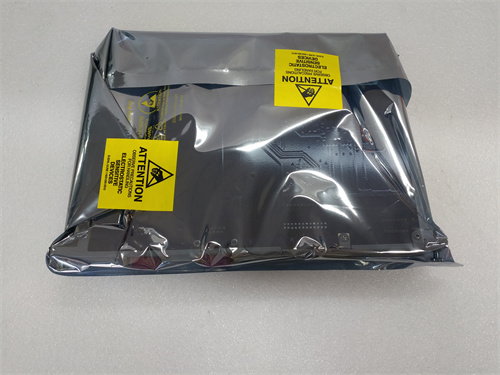
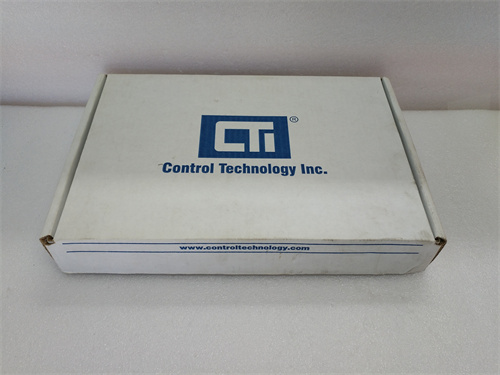
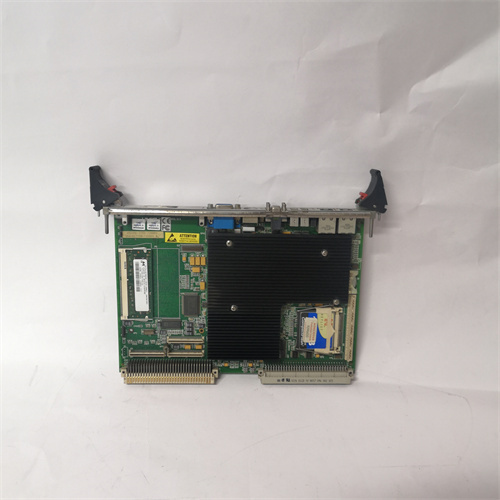
CTI-2532

Reviews
There are no reviews yet.